
home improvement neighbor

Principles of Color Psychology in Mobile Application Design

Have you ever thought about the impact of colors on the User Interface? Knowing how to use the right color is essential not only for aesthetic purposes but also for improving User Experience by simplifying navigation throughout your mobile app. Using a specific color palette consumers can get an idea of the purpose of your app at first sight.

Social media apps for instance use mostly bright and vibrant colors. On the other hand, if you are creating a mind and body app, the colors would be completely different, usually neutral. A great designer would know how to use colors in the best way so that users understand the idea and purpose of a mobile app right away.

Using psychology often works for gaining more success among your competitors. Colors play a huge role in how the brain perceives provided information and functionality. The way each of them affects users needs to be considered when developing a customer-oriented mobile app design.

A common example when we talk about colors is Facebook. Mark Zuckerburg is actually red-green colorblind and blue seemed to be his best choice which he can see. In fact, blue also gives a feeling of trust. It stands for communication and efficiency. All the things you’d want from social media, right. A number of experts even think that part of the success of Facebook is because of the use of a perfect color palette for such a platform.

Why is color psychology that important for mobile app design?

Simply said color psychology is the study of colors and how they influence human behavior. Its primary colors are red, yellow, green and blue. Each of them has different effects on human emotions and perception.

Color is an essential part of the user-friendly interface. A great example is the app icon. It’s the first thing users see and get an impression of, so you’d like it to be the right one and make them actually check out your app. Different colors generate specific human behavior. Using them in the right way can lead to a higher number of downloads and way more engaged consumers.

According to a study, 92,6% of people claim that the visual dimension is the most important influencing factor affecting their purchase decision. Two out of three consumers aren’t willing to buy a large appliance if it’s not in their preferred color.

In a survey, people were asked to associate a color with particular words. Here are the results:

Having this information you can choose the best color palette that fits the purposes of your app and the emotion you want it to generate in people’s minds.

How to find the right color scheme for your mobile app?

With the endless choice of colors, there is, it probably seems impossible for you to find the right color scheme for your mobile app design. Color won’t affect only its outlook, but also the marketing and your brand. Knowing that color comes right after functionality to your app, you need to make sure you choose it according to the idea and your brand.

The right color combination will make your app easier to use and more appealing. However, keep in mind that people prefer simple color schemes that use no more than 3 colors. There are now existing color schemes that you can choose from. Colors can be used in a way that they complement each other.

Think about what impression do you want your app to leave in people. If it’s entertaining you’d most likely go for warm tones if it’s e-commerce you can choose cooler, blue or even gray-scaled scheme, as it would make it more reliable to users.

How to find the right color scheme for your mobile app?

We’ve already mentioned that the right color can boost your conversion rate. Let’s now dive a little deeper. Can you actually use color psychology to make people click on that “buy” button?

Things that are easy to use, are easy to sell

This research shows which are the most popular choices of color for add to cart buttons. Red seems to be the most used, followed by green, blue and orange. That’s because red buttons result way more clicks.

This so doesn’t mean that you add to cart button has to be red. Always examine your audience and their psychology. It’s what can help you most when choosing your mobile app’s color scheme. Be aware of what your users like and which color they are most willing to click on. What you need to be sure of in all cases is that your buy button stands out and is easily accessible on your page.

There is no universal color that will skyrocket any app and website’s sales. However, if you follow the color psychology rules you can use a certain color to your advantage. It’s also appropriate to consider the different web design trends which are currently shaping the landscape. This will help you even more when implementing the right color scheme on your website or mobile app.

Easy solutions are complex to develop

Final Thoughts

Now you know why colors are so important to your mobile app design. Use their power to make a successful one that can easily engage users. It’s crucial to get feedback from your target market before the design process has begun.

The right choice of the color scheme provides the consumer of your mobile app with an amazing visual experience. This can be a great competitive advantage over similar apps. Choose colors suitable for the purpose of your mobile app and your user base. Don’t use more than three colors, because this would make it less attractive. Remember: simplicity is key.

Read Similar Blogs

How To Get Affordable Solar Roof Tiles

Solar roof tiles are transforming the way we think about energy. They offer a sleek, modern alternative to bulky solar panels. These tiles blend seamlessly with your roof, enhancing your home’s aesthetic appeal. But how can you make them affordable? Understanding the costs and benefits is crucial. Solar shingles price can vary widely, influenced by several factors. Brand, installation complexity, and location all play a role. Yet, there are ways to find affordable solar solutions. Government incentives and tax credits can significantly lower costs. Financing options also make solar roof tiles more accessible. Choosing the right installer is key to maximizing savings. Comparing quotes can help you find cost-effective solar options. This guide will walk you through the process. Learn how to get affordable solar roof tiles and enjoy long-term energy savings. What Are Solar Roof Tiles? Understanding the Basics Solar roof tiles are an innovative roofing option. They look like regular shingles but harness the sun’s energy. This makes them a smart choice for green energy enthusiasts. These tiles come as part of your roof, not just an addition. The result is a discreet and efficient energy solution. Their design allows them to seamlessly match different roofing styles. Solar roof tiles work by using photovoltaic cells. These cells convert sunlight into electricity, which powers your home. This process helps decrease reliance on traditional energy sources. Key features of solar roof tiles include: Selecting the right type can increase your home’s value and lower energy costs. Consider your roofing needs and local climate when choosing tiles. Opting for solar roof tiles is both a stylish and sustainable step. Solar Shingles vs. Traditional Solar Panels: Key Differences Both solar shingles and traditional solar panels harness the sun’s energy. However, they differ in design, installation, and aesthetics. Understanding these differences can help you decide which option suits your home best. Solar shingles blend seamlessly with your roof. Unlike bulky solar panels, they provide an integrated look. This makes them appealing to homeowners concerned about their property’s appearance. Traditional solar panels often require mounting racks. These racks can affect your home’s exterior aesthetic. However, panels might offer higher efficiency depending on the model. Here’s a quick comparison: Installation processes also vary significantly. Shingles demand more time as they replace existing roofing. Conversely, panels can be set atop your current roof. Assessing both the cost and energy needs can guide your decision between the two. Solar Shingles Price: What Affects the Cost? The cost of solar shingles can vary significantly. Factors such as brand, roof size, and installation complexity play crucial roles. Understanding these elements can help you manage expenses effectively. Brand Choice: Different manufacturers offer various pricing and features. Some brands, like CertainTeed, provide more budget-friendly options. In contrast, Tesla’s Solar Roof might come at a premium due to innovative design. Roof Size and Complexity: Larger roofs require more materials and labor. Additionally, complex roof designs, such as those with multiple angles or obstacles, add to installation costs. Factors to consider: Geographic Location: Where you live can impact pricing. Installation costs might increase in remote areas due to limited availability of certified professionals. Local labor rates also fluctuate, affecting overall expenses. Government Incentives: Incentives and tax credits can reduce costs substantially. They vary by region but are worth considering during your budgeting phase. Factors affecting price: To find an affordable solution, gather quotes from multiple installers. This approach allows you to compare prices and offerings. Ultimately, awareness of these factors can enable smarter financial planning for your solar roofing project. When making a final decision, prioritize long-term savings over upfront costs. Solar shingles not only add value to your home but can also lower energy bills. Evaluating costs from a broad perspective ensures a wise investment. Top Affordable Solar Roof Tile Brands and Options Choosing the right brand for solar roof tiles involves careful consideration. Various brands offer affordable and reliable solutions for homeowners. 1. CertainTeed: Known for quality and affordability, CertainTeed offers solar shingles that blend seamlessly with traditional roofing. They cater to both function and aesthetics, making them a favored choice. 2. Luma Solar: This brand provides customizable solar shingles designed to mimic asphalt and slate tiles. They offer durability and efficiency at competitive prices. Key Features: 3. Tesla Solar Roof: While initially perceived as costly, Tesla aims to make solar solutions more accessible. Their innovative designs promise excellent energy performance and a sleek appearance. 4. GAF Energy: As a leader in roofing materials, GAF offers comprehensive energy solutions at affordable rates. Their solar shingles are designed to integrate seamlessly with their other roofing products. Key Features: 5. SunTegra: Known for simplified installation and cost-effectiveness, SunTegra’s solar tiles are a great option. They focus on reducing labor expenses by easing the installation process. Researching these brands can help you find the best fit for your home and budget. Comparing offerings based on efficiency, design, and durability ensures you choose wisely. It’s essential to consider the long-term benefits each brand provides. Affordable solar solutions can lower energy bills, increase home value, and contribute to a sustainable future. Partnering with a brand that aligns with your goals will maximize the return on your investment. How to Get Affordable Solar Roof Tiles: Step-by-Step Guide Finding affordable solar roof tiles involves a strategic approach. Follow these steps to ensure you get the best deal. 1. Assess Your Roof Needs First, evaluate your roof’s condition and space. Ensure it can support solar tiles. Consider its orientation and the amount of sunlight it receives daily. 2. Research Local Solar Providers Look for reputable solar installation companies in your area. Local providers may offer competitive prices and better support post-installation. 3. Compare Solar Shingles Price Gather quotes from multiple companies. Make sure to compare the price of solar shingles, including installation and potential additional costs. 4. Explore Affordable Solar Solutions Investigate different brands to find affordable solutions. Some manufacturers offer budget-friendly models that provide good efficiency. 5. Evaluate Financing Options Look for financing plans that suit your
How to install Hardie board siding

How to Install Hardie Board Siding

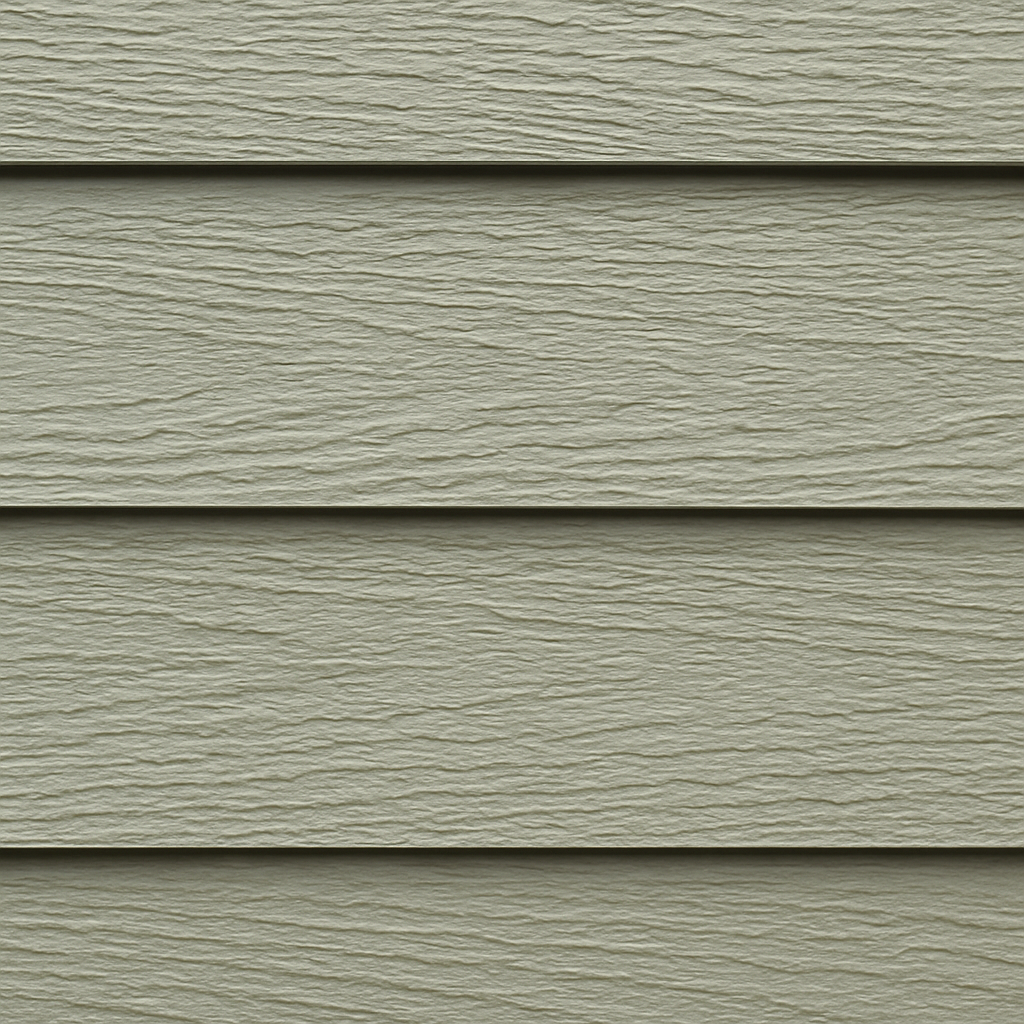
Hardie board siding is a popular choice for homeowners seeking durability and style. This fiber cement siding offers a blend of strength and aesthetic appeal. Installing Hardie board siding can enhance your home’s exterior while providing long-lasting protection. Proper installation is key to maximizing its benefits. This guide will walk you through the installation process step-by-step. You’ll learn about the tools and materials needed for a successful project. Safety is crucial when working with fiber cement siding. We’ll cover essential safety tips to ensure a smooth installation. Understanding the costs involved can help you budget effectively. We’ll discuss factors that influence siding installation cost. Maintenance is minimal, but important for longevity. Discover how to keep your Hardie board siding looking its best. Explore the benefits and options available with Hardie board siding. This guide will help you decide if it’s right for your home. What is Hardie Board Siding? An Overview Hardie board siding, made from fiber cement, is renowned for its strength and resilience. This material is a blend of cement, sand, and cellulose fibers. Fiber cement siding is an excellent alternative to wood and vinyl. Its robust nature helps it withstand harsh weather conditions. Produced by James Hardie, this siding type is designed to mimic various exterior finishes. It can resemble the appearance of wood, stucco, or even stone. Here are some key features of Hardie board siding: Hardie board siding is available in numerous styles and colors to suit diverse preferences. Whether you’re looking to update your home’s look or increase its value, this siding offers a versatile solution. Benefits of Hardie Board Siding Hardie board siding offers numerous advantages that make it a popular choice among homeowners. It is especially favored for its impressive durability and versatility. A significant benefit is its resistance to environmental threats. This siding material withstands fire, pests, and severe weather conditions, making it ideal for various climates. Hardie board siding is also low maintenance. It requires only occasional cleaning, with repainting needed every 10-15 years, making it an economical choice. Key benefits of Hardie board siding include: By selecting Hardie board siding, homeowners can enhance curb appeal and investment value. Its adaptability in style and color allows customization to fit individual home designs effectively. Tools and Materials Needed for Hardie Board Siding Installation Before starting the installation, gather all necessary tools and materials. Proper equipment will ensure a smooth and safe process. The primary tool needed is a circular saw, equipped with a fiber cement blade, crucial for precise cuts. Another essential is a nail gun, which offers secure fastening of the boards to the structure. Additional tools and materials include: Having these items on hand will streamline the installation of Hardie board siding. Ensuring all safety equipment, like masks and goggles, will also protect you during the cutting process, avoiding dust inhalation and providing a safer workspace. Preparing for Installation: Planning and Safety Proper planning is critical before starting your Hardie board siding installation. Careful preparation can prevent potential issues and ensure a successful outcome. Start by assessing the weather conditions. Ideal installation occurs in dry weather, which ensures proper adhesion and reduces risk of moisture damage. Next, focus on safety. Safety gear is vital, as fiber cement can produce dust harmful to health. Always use: Before installation, check your local building codes. Some projects might require permits or additional inspections to comply with regulations. This step will help avoid complications later. Finally, measure the surface accurately. Precise measurements ensure the right fit and reduce material waste. This attention to detail is crucial for a professional look and long-lasting results with your new siding. Step-by-Step Hardie Board Siding Installation Guide Embarking on a Hardie board siding project requires a structured approach. Follow this step-by-step guide for best results. The installation process involves several key stages. These include preparing the surface, measuring and cutting, and ensuring secure fastening. Each stage is crucial for a smooth installation. Tools such as a circular saw with a fiber cement blade, levels, and nail guns are essential. Protective equipment like masks and goggles are also important. Here’s what you’ll need: Taking your time with each stage ensures the siding not only looks great but also performs well for years to come. Let’s break down each crucial step. 1. Surface Preparation and Moisture Barrier Before installation, prepare your surface thoroughly. Clear it of debris and ensure it’s even. Next, install a moisture barrier to protect the structure. This step is vital for preventing water damage. 2. Measuring and Cutting Hardie Boards Accurate measurements are key. Measure your area carefully to ensure precision. Cut the Hardie boards using a circular saw. This tool allows for cleaner, straighter edges. 3. Installing Starter Strips and First Course Starter strips provide a strong base for your siding. Install them level with the bottom edge of your wall. Once installed, begin with the first course. Align it with the starter strip for a solid start. 4. Attaching Hardie Boards: Fastening and Sealing Securing the boards correctly is vital. Use nails and sealant to keep each board in place. Nails should be driven into studs for a firm hold. Ensure they are flush with the board’s surface. 5. Overlapping, Seams, and Finishing Touches Each board should overlap the previous one slightly. This overlap helps in water drainage. Seams require careful attention. Apply caulking to ensure they are watertight. Finally, inspect your work. Ensure all boards are aligned, secure, and that seams are sealed well. This careful attention to detail will guarantee a professional finish. Special Considerations: Hardie Board and Batten Siding Installation The board and batten style offers a classic, charming look. It involves alternating wide boards and narrow strips, known as battens. This style requires precision and planning. Focus on alignment and consistent spacing to achieve a clean visual. Using different tools, like a chalk line, can aid in maintaining straight lines. A little time spent planning will save time during the installation process. Consider these tips: The James Hardie

how long does a flat roof last

How Long Does a Flat Roof Last

A flat roof is a favorite for many buildings because of its modern look and practicality. But, people often wonder how long it lasts. The lifespan of a flat roof varies based on several things. These include the type of material, how well it’s cared for, and the weather. With good care, a flat roof can last for many years. The weather, how well water drains, and the roof’s material quality all matter a lot. Key Takeaways Understanding Flat Roof Systems It’s key for building owners and managers to grasp the details of flat roof systems. This knowledge helps ensure they last a long time. Flat roofs aren’t perfectly flat; they have a slight slope to help water run off. What Defines a Flat Roof A flat roof has a very small slope, usually under 10 degrees. This makes it different from pitched roofs. It needs special materials and installation to be flat roof durable and flat roof long-lasting. Common Flat Roof Applications Flat roofs are often seen in commercial buildings but also in modern homes. They’re used for: Advantages and Limitations of Flat Roofs Flat roofs have benefits like extra space and easy maintenance access. But, they also have downsides, such as: Advantages Limitations Extra space for recreation or equipment Potential for water pooling and leaks Easier maintenance access Higher risk of damage from foot traffic Structural Considerations The strength of a flat roof is vital for its long life. The building’s design, materials, and environment all affect its durability and longevity. Knowing these details helps building owners make smart choices to extend their roof’s life. How Long Does a Flat Roof Last: Average Lifespans Flat roofs last different lengths based on several important factors. Knowing these factors helps building owners and managers make smart choices about upkeep, fixes, and new roofs. Typical Lifespan Range A flat roof can last from 10 to 30 years if well cared for. But, this time frame changes a lot. It depends on the roof’s material, how it was put in, and the weather around it. Comparing Flat Roofs to Pitched Roofs Flat roofs don’t last as long as pitched roofs. Pitched roofs can go over 30 years. But, flat roofs need to be replaced more often because of their design and drainage problems. Historical Improvements in Longevity Roofing tech has gotten better over time, making flat roofs last longer. New materials and ways of installing roofs have helped a lot. Traditional Systems vs. Modern Materials Older built-up roofing (BUR) systems are now mostly replaced by newer stuff like EPDM, TPO, and PVC. These newer materials are more durable and better at standing up to the weather. Technological Advancements New tech, like single-ply membranes and advanced coatings, has really helped flat roofs last longer. These advancements protect against UV rays, water damage, and other weather stressors. Roofing Material Average Lifespan Built-Up Roofing (BUR) 15-20 years EPDM (Rubber) Membranes 20-25 years TPO (Thermoplastic Polyolefin) 15-20 years PVC (Polyvinyl Chloride) 20-25 years The table shows different roofing materials have different lifespans. Knowing this helps pick the best material for a building project. “The key to maximizing the lifespan of a flat roof lies in proper installation, regular maintenance, and the selection of high-quality materials.” – Roofing Expert Different Flat Roof Materials and Their Durability The lifespan of a flat roof greatly depends on the material used. Different materials have varying durability, maintenance needs, and costs. Built-Up Roofing (BUR) Built-Up Roofing (BUR) uses layers of roofing felt or fabric with bitumen. It’s very durable and weather-resistant. Traditional Tar and Gravel The traditional tar and gravel method uses hot tar and gravel on the roof. It’s strong and can handle heavy use and bad weather. Modern BUR Systems Modern BUR systems are better and more eco-friendly. They include torch-down and cold-applied methods. These systems are as durable as traditional BUR but easier to install. Modified Bitumen Modified Bitumen roofing uses bitumen sheets on the roof, often with a torch. It’s very durable and waterproof, and can move with the building. EPDM (Rubber) Membranes EPDM membranes are made of synthetic rubber. They resist UV, ozone, and extreme temperatures well. They’re easy to install and fix, making them a good choice for roofs. TPO (Thermoplastic Polyolefin) TPO membranes are single-ply and resist UV and chemicals well. They’re energy-efficient, as they can be white to save on cooling costs. PVC (Polyvinyl Chloride) PVC roofing membranes resist chemicals, fire, and UV. They’re flexible and last a long time, making them good for complex roofs. Liquid Applied Membranes Liquid applied membranes are a liquid coating that cures to a waterproof layer. They’re great for different roof shapes and last a long time. Each material has its own pros and cons. The right choice depends on the climate, budget, and building needs. Knowing about the durability and upkeep of each material is key to a long-lasting roof. Key Factors Affecting Flat Roof Lifespan Knowing what affects a flat roof’s lifespan is key for upkeep and longevity. Several important factors play a big role in how long a flat roof lasts. Climate and Weather Conditions Weather and climate greatly impact a flat roof’s lifespan. Different environmental factors can wear it down, affecting its durability. UV Exposure Impact UV rays can make roofing materials brittle and crack over time. Using UV-resistant coatings or membranes can help protect against this. Freeze-Thaw Cycles In cold areas, freeze-thaw cycles stress flat roofs. Water seeping in and freezing can cause cracks and damage. Wind Damage Strong winds can lift and damage roofing materials, if they’re not securely attached. Making sure the roof is well-attached and reinforced can prevent wind damage. Installation Quality and Workmanship The quality of installation and workmanship is vital for a flat roof’s lifespan. Poor installation can cause leaks, structural problems, and early aging. Drainage Efficiency Good drainage is key to prevent water buildup, which can harm flat roofs. It’s important to keep drains clear and working well. Foot Traffic and Roof Usage Heavy foot

Subscribe Blog Metro to Get Newest Update

It is a long established fact that a reader will be distracted by the readable content of a page when looking at its layout.