Generating roofing leads in 2026 requires a blend of traditional and digital strategies. The roofing industry is evolving, and so are the methods to attract potential customers.
Understanding your target market is crucial. Knowing who your ideal customers are can significantly impact your lead generation efforts.
Roofing SEO plays a vital role in improving online visibility. It helps roofing businesses rank higher in search results, attracting more organic leads.
A Roofing Company Organic Marketing Specialist can craft effective strategies. They focus on engaging potential customers through various online platforms.
Social media is a powerful tool for generating roofing leads. It allows businesses to connect with potential customers and showcase their services.
Content marketing, including blogs and videos, establishes authority. It attracts leads by providing valuable information to potential customers.
Local SEO and Google Business Profiles are essential for targeting local customers. They enhance visibility in local search results, driving more leads.

Understanding the 2026 Roofing Lead Landscape
The roofing industry is experiencing significant changes in 2026. New technologies and customer expectations shape how businesses generate leads.
Understanding the current landscape is crucial for success. Adapting to these changes will help you stay competitive.
Roofing customers are more informed than ever. They conduct thorough research before choosing a contractor. This means your marketing efforts must focus on building trust and credibility.
Digital channels play a dominant role in lead generation. Roofing businesses need a strong online presence to reach potential customers effectively.
Traditional methods are still relevant, though they must be integrated with digital strategies for optimal results. Here are key points to consider:
- Leveraging digital tools for market research.
- Balancing online and offline marketing tactics.
- Building a reputation through customer feedback.
Networking remains important, offering opportunities for partnerships and collaborations. Engaging with communities and other businesses can open doors to new roofing opportunities.
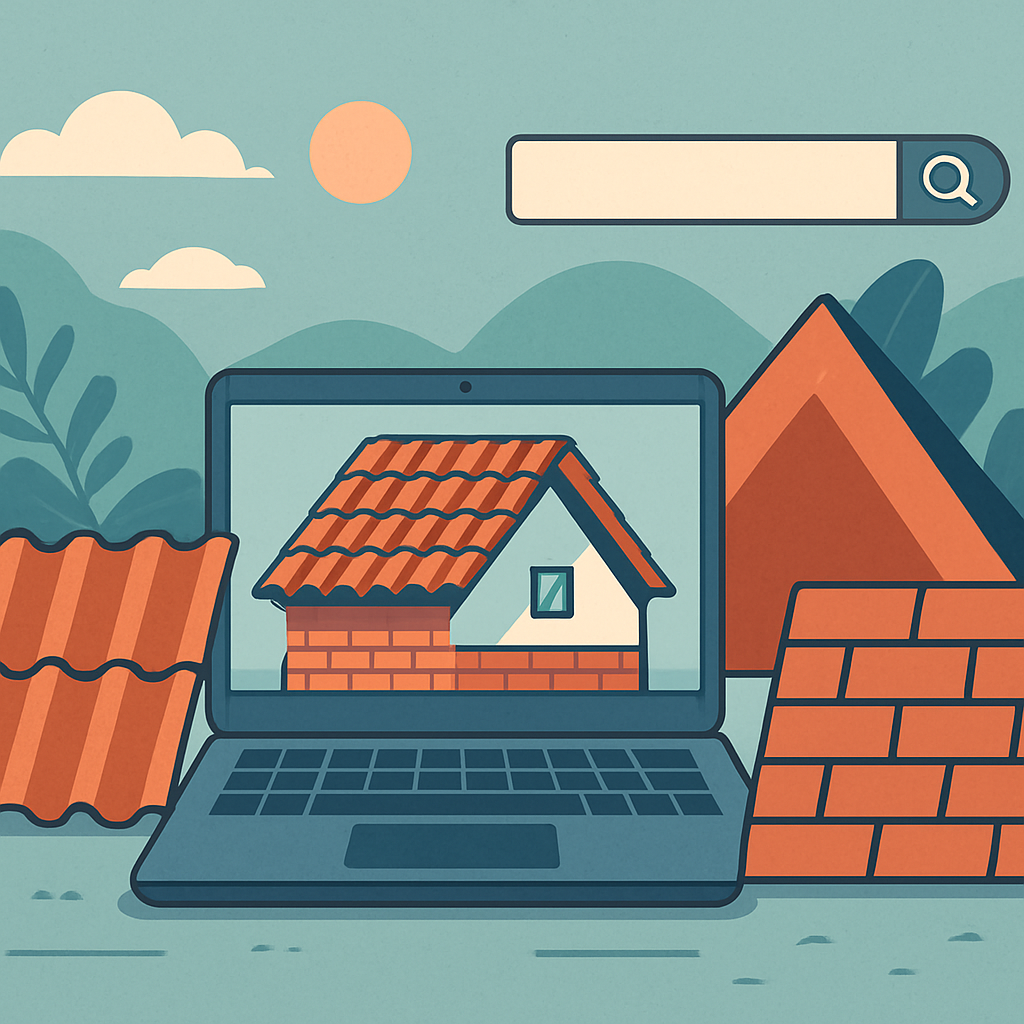
Defining Your Ideal Roofing Customer and Market
Identifying your ideal roofing customer is crucial for effective lead generation. Start by understanding who benefits most from your services. Consider demographics such as age, income level, and location. This information helps tailor your marketing messages.
Focus on customer pain points. Common concerns include roof durability, energy efficiency, and cost. Address these issues in your marketing materials to resonate with potential customers.
Creating detailed customer personas can guide your marketing strategies. These profiles should include:
- Age group and income bracket
- Common home or building types
- Key roofing needs and challenges
Understanding your competition is also essential. Analyze their strengths and weaknesses to find market gaps. This research can uncover opportunities for differentiation and innovation.
Once you’ve defined your target market, direct your efforts toward reaching them effectively. Customize your campaigns to address their specific needs and preferences. This approach builds a lasting connection with prospects, ultimately leading to more roofing sales and business growth.
Building a High-Converting Roofing Website
Creating a high-converting website is essential for capturing roofing leads in 2026. A professional, user-friendly design leaves a lasting impression. Ensure your site is easy to navigate. Simple and intuitive layouts enhance user experience and encourage visitors to explore further.
Speed matters too. A fast-loading website prevents potential customers from leaving in frustration. Optimize images and scripts to boost load times and improve search rankings.
Prioritize clear calls-to-action (CTAs) on every page. CTAs guide visitors toward desired actions like requesting quotes or scheduling consultations. They should be prominent and compelling.
Important elements to include:
- Contact forms for easy inquiries
- Testimonials to build trust
- A portfolio showcasing completed projects
Consider mobile responsiveness crucial. With increasing mobile web use, a responsive design ensures accessibility across devices. This expands your reach and enhances customer satisfaction.
Incorporate live chat features to engage visitors directly. Prompt responses to inquiries increase conversion potential and improve the overall user experience.

Roofing SEO: Ranking Higher and Attracting Organic Leads
Roofing SEO is the driving force behind organic lead generation. With the right strategies, your website can rank higher on search engines. Implementing effective SEO practices attracts more visitors and potential customers.
Begin with keyword research. Identify terms that potential roofing customers are likely to search for. Use these keywords strategically across your website content.
On-page SEO is critical. Optimize title tags, meta descriptions, and headers. These elements help search engines understand your content and rank it effectively.
Building quality backlinks is another essential aspect. Backlinks from reputable sites enhance credibility and boost ranking. Aim to connect with local businesses for guest posting opportunities or partnerships.
Focus on producing valuable and authoritative content. Blogs and informational pages can drive traffic. Content should address common roofing queries and offer solutions.
Important SEO practices include:
- Mobile optimization for better user experience
- Image alt text for improved accessibility
- Fast page loading times
Technical SEO is equally important. Ensure that your website’s structure is crawlable by search engines. Correcting broken links and improving site architecture can positively impact rankings.
For visual context, here’s an image illustrating effective Roofing SEO strategies:

Leveraging Local SEO and Google Business Profile
Local SEO is crucial for roofing businesses aiming to attract customers within specific geographical areas. It maximizes your visibility to local roofing customers actively searching for services nearby.
Start by optimizing your Google Business Profile. Ensure all details, including address, contact number, and business hours, are accurate and up to date. This improves your chances of appearing in local search results.
Encourage satisfied customers to leave reviews on your Google profile. Positive reviews build trust and enhance your local ranking. Respond to reviews to show engagement and professionalism.
Local keywords are vital for local SEO success. Use them in your website content, blog posts, and Google Business Profile description. This helps search engines connect your business to local queries.
Another key to success is building local citations. Ensure your business is listed consistently on local directories and platforms.
Important practices include:
- Consistent NAP (Name, Address, Phone) details
- Engaging with local community events
- Creating location-specific content

Content Marketing: Blogs, Videos, and Authority Building
Content marketing is essential in establishing your roofing business as an authority in the industry. High-quality content, such as blogs and videos, can attract and educate potential customers.
Start by creating a blog on your website. Regular blog posts about roofing tips, industry news, and common roofing problems can engage readers and improve your SEO ranking. The goal is to provide value and establish trust.
Videos are another powerful tool. They can showcase your roofing projects, provide DIY tips, or explain complex roofing concepts. Videos tend to have higher engagement rates than text alone.
Consider these content ideas for maximum engagement:
- Before-and-after project galleries
- Video testimonials from satisfied customers
Work on establishing partnerships with other websites for guest blogging. This can enhance your credibility and expand your reach. It also aids in building backlinks, improving your site’s SEO.
Another strategy is creating authoritative guides and eBooks. Offer these as free downloads in exchange for email sign-ups. This assists in lead generation.
Remember to regularly analyze your content’s performance. Adjust your strategies based on engagement metrics like views, shares, and comments.

Social Media Strategies for Roofing Lead Generation
Social media is a pivotal platform for generating roofing leads. It offers broad reach and the ability to engage directly with potential customers. You can showcase your work and expertise while building your brand presence.
Start by identifying which platforms your target audience frequents. Facebook, Instagram, and LinkedIn are great for sharing visual content and interacting with your followers.
On Facebook, create a business page and regularly post updates about your projects. Engaging posts, such as renovation stories and team highlights, foster connection.
Instagram works well for visual storytelling. Use high-quality images and videos to capture your audience’s attention. Incorporate hashtags to increase your reach.
LinkedIn offers opportunities for B2B networking. Share your professional achievements, projects, and insights about roofing industry trends.
Consider these social media strategies:
- Host live Q&A sessions on Facebook or Instagram
- Create engaging stories to showcase daily operations
Engagement is key. Respond promptly to comments and messages. Build conversations around common roofing issues or customer inquiries.
Experiment with paid social media advertising to target specific demographics. Track metrics such as likes, shares, and comments to measure success.

Paid Advertising: Google Ads, Facebook, and Beyond
Paid advertising offers quick visibility for roofing businesses. It targets specific audiences, helping attract potential customers effectively. Google Ads and Facebook Ads are powerful tools to drive traffic and generate roofing leads.
Begin with Google Ads. It places your roofing business at the top of search results. Focus on high-intent keywords like “roof repair in [your city].”
Create well-crafted ad campaigns. Ensure your ads highlight special offers and your unique selling proposition (USP). This grabs potential clients’ attention.
Facebook Ads allow precise targeting by demographics, interests, and location. Test different ad formats like carousel and video ads to see which resonate best.
Here are some targeting strategies for effective advertising:
- Geo-targeting to reach local customers
- Retargeting to re-engage visitors who didn’t convert
Budget management is crucial. Start with a modest budget and scale as you see results. Monitor your campaigns closely.
Key metrics to track include:
- Click-through rate (CTR)
- Conversion rate
Regularly analyze campaign performance. Adjust bids, refine keywords, and improve ad copy to optimize effectiveness over time.

Harnessing the Power of Reviews, Testimonials, and Social Proof
Reviews and testimonials play a critical role in roofing lead generation. They build trust and credibility with potential customers. A strong online reputation differentiates your business from competitors.
Encourage satisfied clients to leave reviews. Positive feedback can greatly influence new customers’ decisions. Respond to all reviews to show you value customer experiences.
Testimonials should be prominently displayed on your website. Consider creating video testimonials as they can provide a more personal and engaging touch.
Utilize social proof, such as industry awards and certifications, in your marketing materials. This demonstrates your expertise and reliability in the roofing industry.
Ways to effectively leverage reviews and social proof:
- Showcase testimonials on social media
- Highlight awards on your website
- Feature customer success stories in marketing emails
Cultivating a strong online reputation requires consistency and attention. Regular monitoring and interaction with your audience is essential.

Referral Programs, Partnerships, and Community Involvement
Harnessing the power of your existing customer base through referral programs can significantly boost roofing leads. Offering incentives for referrals motivates satisfied customers to spread the word about your services. This can lead to a steady stream of new roofing opportunities.
Building strategic partnerships with other local businesses can also enhance your outreach. Collaborating with contractors, suppliers, or real estate agents can expand your network and introduce you to new clients. These partnerships should be mutually beneficial to foster long-term relationships.
Community involvement is another crucial aspect of lead generation. Participating in local events or sponsoring community projects can increase your brand visibility. It also portrays your business as a committed community member, thus strengthening trust.
Ideas for effective involvement:
- Support local schools by sponsoring events
- Host free roofing workshops for homeowners
- Engage in community cleanup activities
Referral programs and partnerships provide ongoing benefits. Together with community engagement, they build a strong foundation for sustainable roofing growth.

Email Marketing and Lead Nurturing Sequences
Email marketing remains a powerful tool for roofing businesses looking to capture and convert leads. It allows for direct communication with both potential and existing customers.
Creating personalized email sequences helps nurture leads through tailored content. This approach can include detailed information about your services, ongoing projects, and special promotions.
Leverage customer data to segment your email list effectively. Segmentation ensures your messages are relevant to the recipient’s stage in the buying process.
Key elements of successful email marketing:
- Personalized subject lines to capture attention
- Valuable content that addresses customer pain points
- Clear calls-to-action that guide next steps
Regular follow-up emails are essential in keeping leads engaged. By maintaining consistent communication, you foster trust and increase the likelihood of conversion. Email marketing is not only cost-effective but also a way to build lasting relationships with your audience.
Using Technology: AI, Automation, and CRM for Roofing Leads
In 2026, technology plays a crucial role in generating roofing leads. AI and automation streamline processes, saving time and resources.
AI tools can analyze customer data to predict leads most likely to convert. This insight allows roofing businesses to prioritize their sales efforts effectively.
CRM systems are indispensable for organizing customer interactions. They provide a centralized platform to manage leads, track follow-ups, and measure conversion rates.
Advantages of utilizing AI and automation:
- Increased efficiency in lead qualification and management
- Detailed analytics for informed decision making
Leveraging CRM systems ensures no lead slips through the cracks. It allows roofing companies to automate their follow-up processes, ensuring timely communication with potential clients.
Benefits of using a CRM system:
- Centralized database of customer interactions
- Enhanced team collaboration and information sharing

By adopting these technologies, roofing companies can gain a competitive edge. They enable businesses to focus on building strong customer relationships, ultimately leading to more successful conversions.
Offline Tactics: Direct Mail, Door Knocking, and Local Events
While digital strategies are vital, offline tactics still hold power in 2026. Direct mail is tangible, offering a personal touch that digital can’t.
A well-designed postcard can grab attention and communicate value. It’s crucial to have a clear call-to-action for potential roofing customers.
Door knocking may seem outdated, yet it remains effective. Face-to-face interaction builds trust, providing an opportunity for direct engagement.
Essential components of a direct mail campaign:
- Eye-catching design
- Clear messaging and offers
- Personalized elements
Participating in local events is another profitable offline tactic. Engaging with the community builds brand recognition and showcases commitment.

Networking at these events opens doors to new roofing opportunities. By combining these offline tactics with an online approach, roofing businesses can boost their lead generation efforts in 2026. This blend creates a well-rounded strategy catering to diverse customer preferences.
Training Your Sales Team for Maximum Conversion
A well-prepared sales team can significantly boost your roofing sales. Effective training focuses on communication skills and product knowledge.
Sales personnel should understand customer pain points deeply. Training should include role-playing to simulate real-world scenarios.
Regular workshops keep the team updated on new strategies. These sessions help adapt to evolving roofing marketing trends.
Key areas for sales team training:
- Active listening skills
- Closing techniques
- Handling objections
Empowering the sales team with CRM tools enhances efficiency. It ensures they follow up on roofing leads effectively.
Emphasize the importance of patience and persistence. Consistent interaction with potential roofing customers nurtures trust and leads to conversions. Regular feedback sessions offer insights into sales performance and areas for improvement. Investing in your sales team is investing in your roofing business growth. Proper training lays the foundation for maximizing lead conversion rates.
Tracking, Analytics, and Continuous Improvement
Consistent tracking and analysis are crucial for roofing lead success. Without analytics, you can’t measure progress or improve strategies.
Utilize tools like Google Analytics to monitor website traffic. These insights reveal user behavior and lead sources.
Analyze conversion rates to identify successful tactics. Detailed metrics help refine your roofing marketing approach.
Key tracking metrics to focus on:
- Lead source
- Conversion rate
- Customer acquisition cost
Data-driven decisions drive roofing growth and efficiency. Regularly assessing performance enables proactive adjustments.
Investing time in analytics ensures sustainable business improvement. Continuous enhancement keeps your roofing business competitive.

Adapting to Trends: Sustainability, Virtual Consultations, and New Opportunities
The roofing industry is evolving rapidly, with sustainability at the forefront. Homeowners increasingly prefer eco-friendly roofing options that reduce environmental impact.
Incorporate green materials and practices to appeal to conscious consumers. Highlight these efforts in your marketing to attract eco-minded leads.
Virtual consultations are another emerging trend. They offer convenience and cater to tech-savvy customers, streamlining the lead qualification process.
Stay ahead by embracing these innovations and looking for new opportunities. Identify what differentiates your roofing business from competitors.
Emerging trends to consider:
- Sustainable roofing materials
- Energy-efficient solutions
- Virtual reality consultations
Continuous adaptation ensures your business stays relevant. Monitor industry trends regularly, and implement practices that align with market demands.
Embrace change to thrive in the competitive roofing landscape. Future-ready strategies open doors to untapped markets and roofing opportunities.

Common Roofing Lead Generation Mistakes to Avoid
Avoid common pitfalls that hinder lead generation. Many roofing businesses neglect proper follow-up, losing potential customers.
Don’t ignore the power of a strong online presence. A poorly optimized website can deter leads instead of attracting them.
To ensure effective lead generation, avoid these mistakes:
- Inconsistent branding and messaging
- Ignoring the importance of local SEO
- Failing to leverage customer testimonials
By steering clear of these errors, your strategy will be more effective. Focus on refining each aspect to boost lead acquisition and business growth.
Frequently Asked Questions About Roofing Leads 2026
What is a roofing lead?
A roofing lead is a potential client interested in your roofing services. They have shown interest but haven’t yet committed to hiring your company.
How do I find roofing leads in 2026?
Utilize a mix of strategies. These include SEO, content marketing, social media, and paid ads. These methods help capture interest and build relationships.
Why is local SEO important for roofing?
Local SEO ensures your business appears in local search results. This is crucial for reaching customers in your geographical area who need roofing services.
How can I improve my website to attract leads?
Focus on user-friendly design and optimized content. Make sure your site is mobile-responsive and includes clear calls-to-action to convert visitors into leads.
What role does social proof play in lead generation?
Social proof, like reviews and testimonials, builds trust. It demonstrates your credibility and encourages potential customers to choose your services.
Are referrals still effective in 2026?
Yes, referrals remain powerful. Customers trust personal recommendations, making referral programs a valuable tool for acquiring high-quality leads.
Conclusion: Building a Sustainable Roofing Lead Engine for 2026 and Beyond
Mastering the art of generating roofing leads demands a multifaceted approach. The roofing landscape in 2026 is increasingly competitive, yet filled with potential.
Combining traditional and digital marketing strategies is key. A strong online presence, local SEO, and community engagement form the backbone of successful lead generation.
Innovation remains crucial to staying ahead. Embrace new technologies like AI and CRM systems to streamline processes and enhance lead management. This proactive stance keeps you relevant.
Remember the power of personalization. Tailor your marketing efforts to your target audience’s needs and preferences. Understanding your customers fosters stronger relationships and loyalty.
Finally, continuous learning and adaptation to trends are essential. Stay vigilant, track results, and refine strategies to ensure long-term growth. Your commitment to this journey will pave the way to a thriving roofing business.